



Cameroon has made real progress on maternal survival. The pregnancy-related mortality ratio fell from 782 deaths per 100,000 births in the seven years before the 2011 survey to 467 in the period before the 2018 Demographic and Health Survey. The national maternal mortality ratio now stands at 406 per 100,000 live births. Yet averages hide a country of two speeds. In the Far North, the region with the largest rural population and the longest distances to care, the gains have stalled and, by the Ministry of Public Health's own routine data, reversed.
Key numbers
Where women give birth decides whether they survive
Nationally, about seven in ten births are now attended by a skilled provider. In the Far North the figure for facility births is 38%, and in the neighbouring North it is 37%. In Adamawa it is 46%. These are the same regions where under-five mortality is highest: 102 deaths per 1,000 live births in the Far North and 133 in the North, compared with 40 in Littoral. Wealth matters as much as geography. Only 29% of births in the poorest fifth of households are attended by a skilled professional, against 98% in the richest fifth.
Antenatal care tells a similar story. Across the country almost nine in ten women see a skilled provider at least once during pregnancy, but coverage is lowest in Adamawa (70%), the North (73%) and the Far North (78%), and only two-thirds of women nationally complete the recommended four or more visits.
Family planning is the quiet lever
Fewer, better-spaced pregnancies are one of the most powerful protections for mothers and babies. Nationally, 15% of married women use a modern method; in the Far North and North it is 7%, and in Adamawa 6%. Fertility in the two northern regions is close to six births per woman. Encouragingly, demand for family planning satisfied by modern methods rose from 11% in 1991 to 44% in 2018, which shows that when services are available and trusted, women use them.
Why clinics alone are not enough
Building more facilities helps, but the Far North's barriers are also social and economic: distance, transport costs, insecurity linked to the Lake Chad Basin conflict, early marriage (nationally, 30% of women aged 20–24 were married before 18), and decisions about care that are made by husbands and mothers-in-law rather than the pregnant woman herself. A facility that no one reaches in time saves no one.
The evidence from across the Sahel points to the same answer: trained community health workers who know every pregnant woman in their village, women's groups that save together for transport, male and elder engagement that changes who decides, and a referral chain that is tested before the emergency happens.
How Wellness Association responds
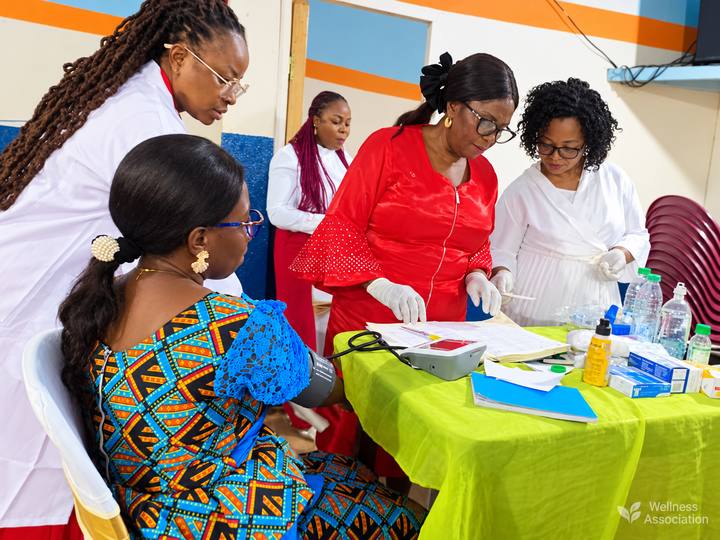
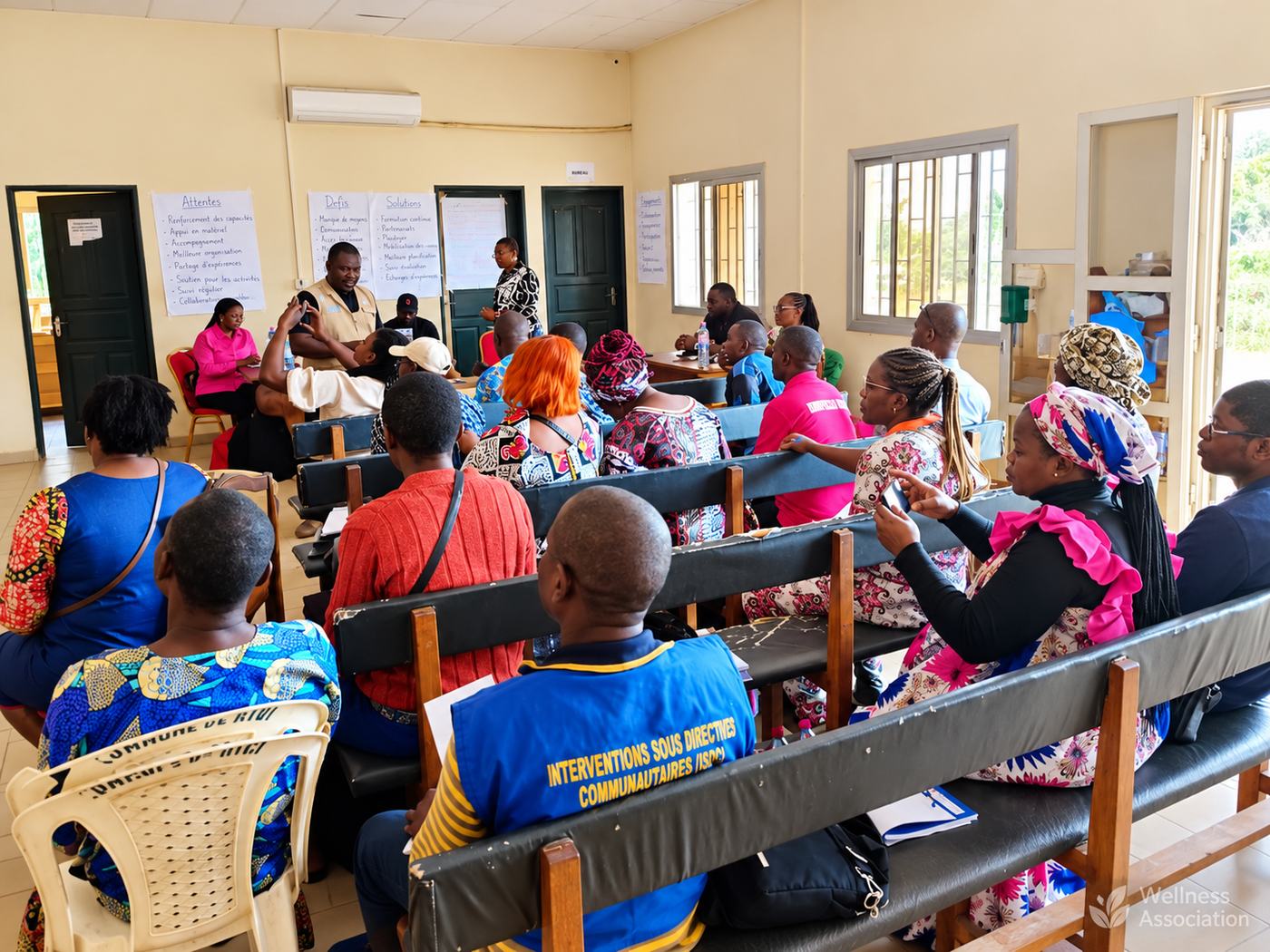
- Community pregnancy registers. Trained ISDC volunteers identify and follow every pregnancy in their health area, with reminders for antenatal visits and a birth plan agreed with the family.
- Family planning where women already gather. Counselling and referral through women's groups, markets and faith communities, with male champions addressing the questions men ask.
- Emergency transport funds. Village savings groups that pre-finance transport to the nearest facility with a surgical theatre.
- Evidence for districts. We track facility births, referrals and outcomes in each health area and share the results with district medical officers every quarter.
What would success look like?
A Far North where more than half of births happen with a skilled attendant within five years, where every health area has a functioning transport fund, and where modern contraceptive use doubles among married women. These are measurable targets. They are also the difference between hundreds of women surviving childbirth each year and not.
Sources
- INS and ICF, Cameroon DHS 2018 Summary Report: facility births, contraceptive use, fertility, antenatal care, under-five mortality by region.
- INS and MINPROFF, Women and Men, Girls and Boys in Cameroon, 2024: maternal mortality ratio, regional MINSANTE trends 2018–2022, skilled attendance by wealth quintile, demand for family planning satisfied.
- UNICEF, Cameroon country profile: child marriage.